Transportation is changing faster than ever. Think about autonomous vehicles, electric mobility, and smart cities. These innovations are exciting, but they can also be overwhelming.
Navigating this complex space requires specialized expertise, and many people are unsure who the key players are or what they do. This is where ride innovation experts come into play.
I’ve spent years tracking automotive breakthroughs and analyzing vehicle takeaways. I know the ins and outs of this industry and can help clarify the roles of these big professionals.
In this article, I will define what transportation innovation specialists actually do, explore their impact on our daily lives, and highlight why they matter. You’ll get practical understanding that helps you make sense of the shifting transportation scene.
By the end, you’ll know how these experts shape our future and why you should pay attention. Let’s dive in together and open up the power of transportation innovation.
Who Are Transportation Innovation Specialists?
Ever heard of transportation innovation specialists? They’re the folks pushing boundaries in mobility. These aren’t just your typical engineers.
They’re a mix of urban planners, data scientists, logistics experts, and policy gurus. Their job? To dream up and execute new ways to move people and goods.
Think of them as the ride innovation experts. Revolutionizing how we get around.
Why do they matter? Look around. Climate change is breathing down our necks.
Cities are choking on congestion. Safe, fast travel isn’t a luxury; it’s a necessity. These specialists tackle this head-on.
They’re designing systems that integrate public transit with ride-sharing. Imagine hopping off a bus and seamlessly into a shared car. Fast, right?
That’s their handiwork.
You might wonder, what’s so special about them now? Urgent times call for new solutions. They’re here to address these challenges, not just with technology but by rethinking entire strategies.
They’re not just improving mobility; they’re transforming it into something sustainable and accessible.
Without them, we’d be stuck in traffic, burning fossil fuels, and missing out on smarter options. So next time you enjoy a smooth, connected ride, tip your hat to these unsung heroes. They’re slowly changing the world, one ride at a time.
Mastering the Future: Tech Trends Driving Innovation
Ever wonder how ride innovation experts push the boundaries? I do. They dive headfirst into realms like Artificial Intelligence (AI), Machine Learning (ML), the Internet of Things (IoT), and advanced materials.
These aren’t just buzzwords (though they sound snazzy). They’re the backbone behind real-world advancements.
Take AI and ML. They’re not just about predicting the next YouTube video you’ll binge. They’re used for predictive maintenance, optimizing traffic, and crafting algorithms for autonomous driving.
Imagine cars that learn and adapt, not just follow programming. That’s not science fiction (it’s) right now.
IoT’s role is equally big. It creates “smart” infrastructure. We’re talking about connected vehicles communicating with each other and the world (V2X communication is the jargon).
Who needs gridlock when smart traffic lights can slash congestion by 20%?
Electrification is another huge shift. Designing charging networks and new vehicle platforms isn’t just about keeping up. It’s about leading the charge towards sustainable fuels.
Exciting, right?
Want more takeaways? Check out this perspective on designing cars engineer perspective.
Here’s a pro tip: Stay curious. This world doesn’t wait. It accelerates.
Understanding these technologies means you’re not just riding the wave. You’re driving the vehicle of the future. And the real innovation lives.
From Concept to Reality: Industry Game-Changers
Ride innovation experts are reshaping industries. Let’s face it, transportation’s no longer just about moving from A to B. It’s about transforming how we live.
In automotive manufacturing, they’re crafting next-gen electric powertrains. You know those advanced driver-assistance systems (ADAS) keeping cars in their lanes? Thank these experts.
Then there’s tech. Software for autonomous vehicles? These specialists are behind it.
They’re not just writing code. They’re forging the future. And in urban planning, they’re the brains behind smart city mobility solutions.
Ever used a bike share or hopped on an autonomous shuttle? That’s them at work.
Logistics is another frontier. AI-driven route optimization is cutting delivery times and fuel consumption. More fast and less polluting.
It’s a win-win. Public transportation agencies are also in on the action. They’re partnering with policy analysts to get through new transport regulations.
It’s all about collaboration.
But let’s not forget the real payoff: the impact of these innovations. You want examples? How about reduced urban congestion and improved public transit?
Or maybe you prefer the latest electric car tech? It’s everywhere you look.
Want to learn more? Dive into a live chat: ride innovation for deeper takeaways. Connect with the minds driving this change.
It’s a brave new world of transportation. And it’s happening now. Bold moves and big changes lie ahead.
Paving the Path: Important Skills and Educational Journeys
When it comes to ride innovation experts, the skills needed can be as complex as the vehicles they help create. Strong analytical and problem-solving abilities are non-negotiable. You need to be able to untangle data and spot patterns others miss.

Technical proficiency is key too, whether that’s coding, data analysis, or engineering principles (think of it like deciphering a car’s language).
But the job isn’t just about hard skills. You can’t underestimate the importance of soft skills like adaptability and creativity. Ever tried working with a team of engineers without collaboration skills?
Good luck. A future-oriented mindset also keeps you ahead of the curve. Without it, you’re merely playing catch-up.
Education matters. Degrees in engineering (mechanical, electrical, software) or computer science lay the groundwork. Urban planning or business with a tech twist can also be goldmines.
But don’t box yourself in. Interdisciplinary studies and certifications in emerging technologies (like AI or IoT) are useful. Continuous professional development?
That’s your secret weapon.
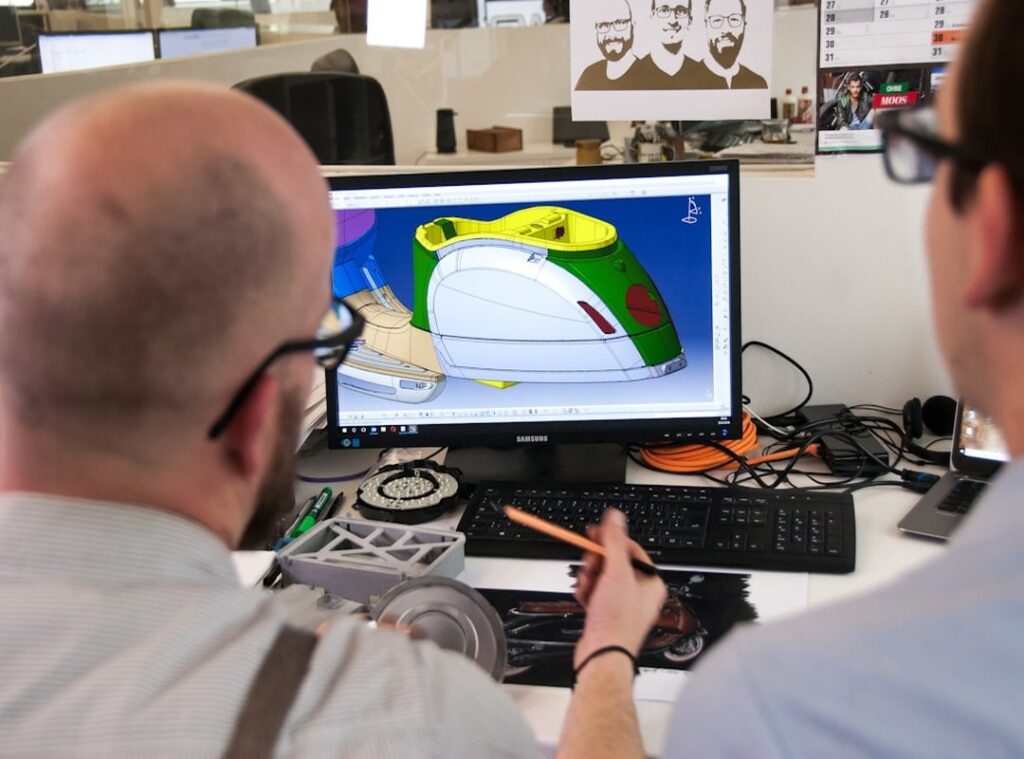
Experience is your best teacher. Internships, research projects, or hackathons focused on mobility solutions build real-world expertise. They’re your ticket to understanding the nitty-gritty of Concept To Showroom Car Development.
In short, ride innovation isn’t for the faint-hearted. It’s for those ready to dive into both the technical and human elements of transportation. Are you one of them?
The Road Ahead: Challenges and Opportunities
As ride innovation experts, we face a tangled web of problems. Regulatory hurdles feel endless. Cybersecurity?
Always a threat. Public acceptance of autonomous vehicles? Not quite there yet.
And let’s not even start on the massive capital investment. But should we give up? No way.
Ethical issues, especially with AI, loom large. Data privacy is a ticking time bomb. Yet, opportunities are ripe.
Sustainable urban mobility is a game-changer. Electric vehicle infrastructure is expanding fast. New Mobility-as-a-Service platforms are emerging.
We need to get creative. Global partnerships can push us forward. The future’s not just a challenge, it’s an opportunity.
Stay Ahead in Transportation Innovation
I’ve outlined the key role of transportation innovation specialists. Their expertise is important for navigating the complexities of modern mobility. You need to understand these specialists to grasp where the industry is headed and how it overcomes challenges.
Want to keep pace with these changes? Stay informed on the latest automotive breakthroughs and full vehicle takeaways. Knowledge is power, and it’s key for making smart decisions.
Don’t get left behind. Connect with ride innovation experts to stay updated. Reach out today to explore how you can thrive in this rapidly evolving sector.
 Lead Automotive Insights & Maintenance Specialist
Vionaryn Glimmerquill serves as GSC Financeville’s Lead Automotive Insights & Maintenance Specialist, delivering expert guidance on vehicle care and driving performance. He specializes in In-Depth Auto Maintenance and Actionable Driving Tips, providing readers with practical solutions for maintaining reliability and efficiency. Known for his analytical mindset, Vionaryn carefully researches automotive technologies, repair strategies, and safety advancements. His content is designed to help both beginners and experienced drivers make informed decisions about their vehicles. He is passionate about simplifying technical information into easy-to-follow advice that benefits everyday motorists. Vionaryn also contributes insider explorations into evolving automotive trends and innovations shaping the future of transportation. His expertise adds depth and credibility to the platform’s educational content.
Lead Automotive Insights & Maintenance Specialist
Vionaryn Glimmerquill serves as GSC Financeville’s Lead Automotive Insights & Maintenance Specialist, delivering expert guidance on vehicle care and driving performance. He specializes in In-Depth Auto Maintenance and Actionable Driving Tips, providing readers with practical solutions for maintaining reliability and efficiency. Known for his analytical mindset, Vionaryn carefully researches automotive technologies, repair strategies, and safety advancements. His content is designed to help both beginners and experienced drivers make informed decisions about their vehicles. He is passionate about simplifying technical information into easy-to-follow advice that benefits everyday motorists. Vionaryn also contributes insider explorations into evolving automotive trends and innovations shaping the future of transportation. His expertise adds depth and credibility to the platform’s educational content.