The world of motorsport is thrilling. It’s fast, loud, and high-stakes. But behind the adrenaline is a complex web of technical mastery that often goes unnoticed.
Many aspiring engineers or enthusiasts struggle to understand what it means to be a race car engineer. They deserve a clear, authoritative guide to this specialized path, its demands, and its rewards.
This article aims to demystify the key role of a motorsport engineering specialist. With a deep understanding of automotive breakthroughs and vehicle performance, I’ll provide you with takeaways that matter.
I’ve analyzed top-tier vehicle performance across both automotive and motorcycle industries. This knowledge gives me a solid foundation to share practical advice.
By the end of this article, you will have a definitive roadmap for becoming a motorsport engineering specialist. Let’s dive in and explore this exciting career together.
Race Car Engineers: The Real MVPs of Motorsports
Ever wonder what a race car engineer really does? It’s not just tinkering with engines. This role demands applying advanced engineering principles to design, develop, test, and improve racing vehicles.
It’s a world apart from your average car mechanic. We’re talking about pushing machines to their absolute limit.
Here’s where it gets interesting: unlike general automotive engineering, where the goal is efficiency and comfort, motorsport engineering is all about extreme performance. It’s rapid iteration under intense conditions. Regulations are tight, and there’s no room for error.
You need a deep understanding of aerodynamics, chassis dynamics, powertrain development, and more. You’d better know your way around suspension geometry and tire management too.
The objective is simple: extract every possible ounce of performance and reliability from a racing machine. Why? To gain that ever-important competitive advantage.
Imagine analyzing telemetry data mid-race, making real-time adjustments to keep up with the track’s demands. That’s just another day in the life.
Designing new parts, tweaking existing ones, and ensuring everything complies with racing regulations is no small feat. It’s a skill set that combines engineering genius with the thrill of speed. So, when you hear “race car engineer,” think of innovation at its most intense.
Skills You Need: From Physics to Flexibility
Being a race car engineer isn’t just about loving fast cars. It’s about mastering advanced physics, mechanics, and thermodynamics. Ever tried understanding fluid dynamics or control systems under pressure?
I have. It’s not fun when you’re in the hot seat and the car’s not performing. But the thrill of solving that puzzle?
Unmatched.
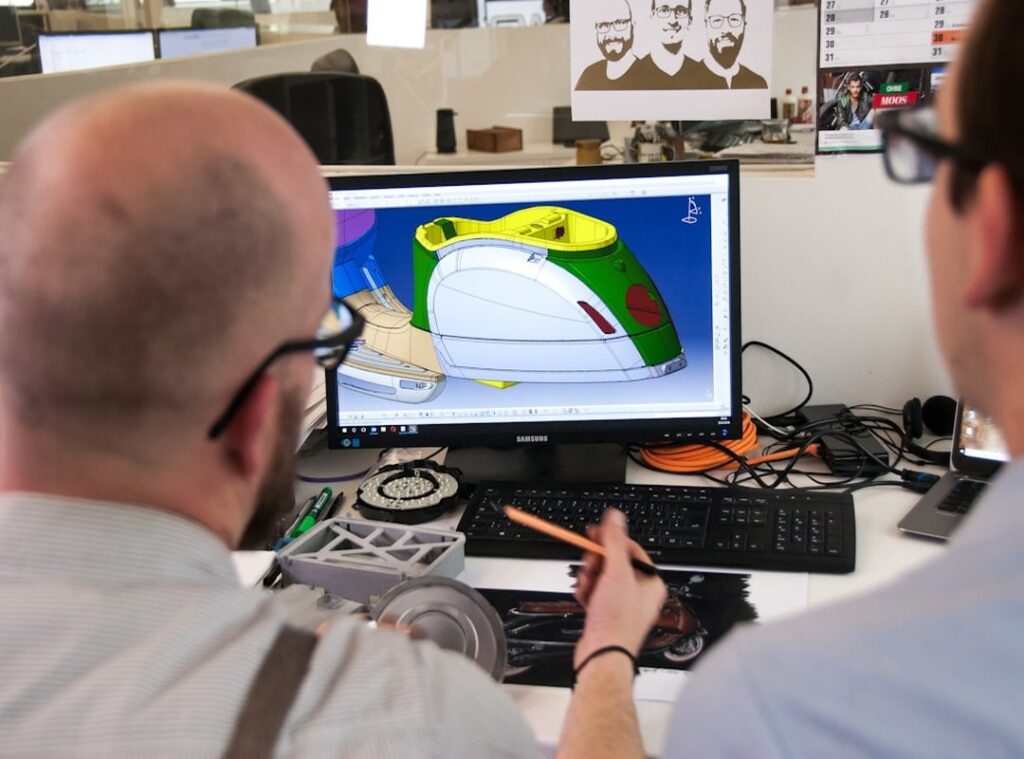
Proficiency in specialized software like CAD/CAM and MATLAB is non-negotiable. I’ve spent nights wrestling with CATIA and Simulink. Why?
Because when the stakes are high, you can’t afford to fumble with software. You need to meet innovators auto tech pioneers who push these boundaries every day.
Let’s not forget analytical and problem-solving skills. When a car is acting up mid-race, can you diagnose the issue and devise a fix on the fly? That pressure is real.
Then there are soft skills. Communication and teamwork keep the team running smoothly. Adaptability and resilience help in those nerve-wracking, high-stress environments.
And let’s face it, attention to detail often makes the difference between winning and losing.
Finally, stay curious. The tech world doesn’t wait, so neither should you. Keep learning, or get left behind.
Charting Your Path: Race Car Engineer
So you want to be a race car engineer? Start with a Bachelor’s degree in Mechanical Engineering, Automotive Engineering, or Aerospace Engineering. It’s not just about fancy titles.
These degrees lay the groundwork. (Remember college isn’t just for parties!) Don’t underestimate the power of specialized motorsport engineering degrees or even a Master’s for that deeper dive into the subject.
Experience? It’s everything. Internships with racing teams or programs like Formula Student/SAE can be your golden ticket.
Ever thought about getting your hands dirty with amateur racing? You should. You’ll learn more in a pit than in any lecture hall.
What about starting roles? Think Junior Design Engineer, Data Analyst, or Performance Engineer. Those are your first steps on the track.
But where do you want to end up? Race Engineer, Chief Designer, Technical Director (these) aren’t just titles. They’re responsibilities.
Each step up the ladder means more decisions, more pressure, and yes, more reward.
Does this sound daunting? Maybe. But nothing worth doing is easy.
If speed is your passion, and you’ve got the grit, this path is yours for the taking. Just remember (dreams) require action. So, what’s your next move?
Racing Life: The Thrill and Grind
Being a race car engineer is no walk in the park. You dive into high-tech environments, from modern R&D labs to the chaotic, fast-paced trackside garages. Sounds intense, right?

It is. The demands are constant: long hours, constant travel, and the pressure of split-second decisions. You live and breathe deadlines.
And don’t even get me started on the regulations. They’re as strict as they come, with every move scrutinized.
But here’s the thing: the rewards? They’re immense. Seeing your engineering solutions translate into victories is electrifying.
You’re not just part of the team; you’re at the forefront of automotive innovation. You feel the impact of your work directly.
Sure, resources can be tight, and adapting to unexpected issues is part of the job. But the thrill lies. It’s not just about solving problems; it’s about thriving under pressure.
Passion and dedication aren’t just nice-to-haves; they’re essentials. Without them, you’re lost.
So, would I trade it for anything else? Not a chance. For those who thrive on challenge and innovation, this is where you belong.
Revving Up: Motorsport’s Bold Leap Forward
Motorsport is changing fast. Electrification is at the heart of it all. Hybrid and full EV powertrains aren’t just ideas anymore; they’re shaping the next generation of racing.
And it’s not just about speed. It’s about innovation. Advanced lightweight materials like composites and additive manufacturing are redefining what race cars can do. (Anyone else thinking of Tony Stark’s suit?)
Then there’s sustainability. Eco-friendly fuels and energy recovery systems are becoming as important as horsepower.
Artificial intelligence and machine learning are more than buzzwords. They’re tools race car engineers use to predict and improve performance. It’s like having a crystal ball, but way cooler.
New career opportunities are popping up everywhere. Ever thought about specializing in battery technology or AI integration? The industry needs fresh minds to get through these shifts.
If you’re dreaming of becoming a race car engineer, adaptability is key. You must innovate to stay ahead.
Want to know more about how these trends play out in real-time? Check out Behind Scenes Auto Shows Unveiled for a glimpse into the future. The world of motorsport is evolving, and honestly, I can’t wait to see what’s next.
Take the Wheel in Motorsport Engineering
I’ve laid out the reality of being a race car engineer. This career isn’t just complex; it’s demanding. You need technical skills, problem-solving abilities, and constant dedication.
You might be asking yourself if you have what it takes.
The answer is yes, if you’re willing to work for it. Dive into rigorous education. Get your hands dirty with practical experience.
And always stay updated on industry trends.
Now is the time to act. Embrace the challenges ahead and seize the rewards. Your journey starts today.
Are you ready to take the leap into motorsport engineering?
 Lead Automotive Insights & Maintenance Specialist
Vionaryn Glimmerquill serves as GSC Financeville’s Lead Automotive Insights & Maintenance Specialist, delivering expert guidance on vehicle care and driving performance. He specializes in In-Depth Auto Maintenance and Actionable Driving Tips, providing readers with practical solutions for maintaining reliability and efficiency. Known for his analytical mindset, Vionaryn carefully researches automotive technologies, repair strategies, and safety advancements. His content is designed to help both beginners and experienced drivers make informed decisions about their vehicles. He is passionate about simplifying technical information into easy-to-follow advice that benefits everyday motorists. Vionaryn also contributes insider explorations into evolving automotive trends and innovations shaping the future of transportation. His expertise adds depth and credibility to the platform’s educational content.
Lead Automotive Insights & Maintenance Specialist
Vionaryn Glimmerquill serves as GSC Financeville’s Lead Automotive Insights & Maintenance Specialist, delivering expert guidance on vehicle care and driving performance. He specializes in In-Depth Auto Maintenance and Actionable Driving Tips, providing readers with practical solutions for maintaining reliability and efficiency. Known for his analytical mindset, Vionaryn carefully researches automotive technologies, repair strategies, and safety advancements. His content is designed to help both beginners and experienced drivers make informed decisions about their vehicles. He is passionate about simplifying technical information into easy-to-follow advice that benefits everyday motorists. Vionaryn also contributes insider explorations into evolving automotive trends and innovations shaping the future of transportation. His expertise adds depth and credibility to the platform’s educational content.