Every car on the road hides a journey that’s as fascinating as it is complex. From that first idea to the final assembly, the car development process is filled with twists and turns.
I’ve spent years diving into automotive takeaways, so I know a thing or two about what goes into creating these machines. Trust me, it’s not just about shiny exteriors and horsepower.
You want to understand how these vehicles transition from concepts to reality? You’re in the right place.
In this article, I’ll break down the detailed steps involved in automobile design and production. You’ll get a clear, step-by-step view of what truly happens behind the scenes.
This isn’t fluff or theory; it’s a real-world look at practices shaping the cars we drive every day. By the end, you’ll have a full understanding of the automobile creation journey. Let’s get started.
The Blueprint: From Concept to Initial Design
When it comes to the car development process, everything kicks off with market research. You need to get a grip on current trends and what consumers really want. It’s like trying to decipher what the next big thing will be (a bit like predicting the next viral TikTok dance).
But do you know what’s even more key? Translating those findings into tangible ideas.
Now, concept development is where the magic happens. Designers take those raw ideas and transform them into preliminary sketches and digital renderings. It’s not just about drawing; it’s about capturing the essence of what the vehicle could be.
And then, it’s time for a leap from 2D to 3D.
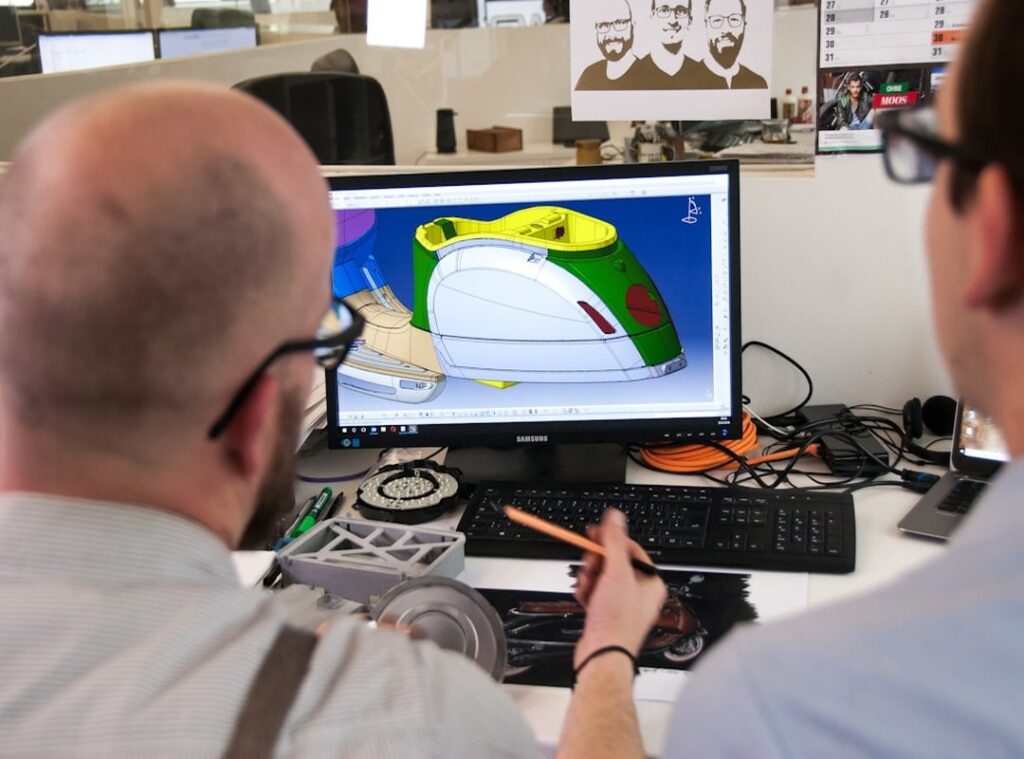
Enter CAD models. These aren’t just fancy digital sculptures. They’re precise, allowing designers to create exact shapes and proportions.
But you can’t stop there. You need to feel the design, see it in the real world. clay models come in. Starting with a 1:4 scale, designers gradually move to full-size versions.
These models let you evaluate aesthetics and proportions in the tactile, three-dimensional world.
And let’s not forget tech. Virtual reality and augmented reality are game-changers. They let you immerse yourself in a car’s design before a single piece of metal is cut.
It’s like stepping inside car factory manufacturing without ever leaving the studio.
So, what really matters in car design? It’s about balancing creativity with precision and using every tool at your disposal. This is how a concept becomes reality.
Engineering the Vision: From Concept to Reality
to the car development process. It’s where design ideas become tangible. You start with translating those sleek concepts into actual, manufacturable components.
This isn’t just about throwing parts together. It’s about precision. You need to make sure that each piece fits perfectly into the overall vision.
Powertrain development is where you tackle the heart of the car. Engines, transmissions, and even alternative fuel systems come into play here. You want performance, but not at the cost of efficiency.
So, how do you balance both? It’s a puzzle, but when done right, it’s magic.
Then there’s chassis and suspension engineering. It’s not just about making the car move. It’s about how it moves.
Ride comfort, handling dynamics, structural integrity (these) are all key. You want a car that handles like a dream and feels solid at every turn.
And don’t forget safety systems. Integration is key. From passive features like airbags to active systems like ADAS (Advanced Driver Assistance Systems), each element needs to work seamlessly.
Safety isn’t just a box to tick. It’s the backbone of trustworthy engineering.
Prototypes are your first real test. Building early versions allows you to iron out any kinks before hitting the production line. But you don’t stop there.
Rigorous testing follows. Crash tests, durability checks, and even climatic chamber tests are on the agenda.
In the end, real-world road testing ties everything together. It’s where theory meets reality. This step helps identify and rectify any remaining flaws before finalizing the vehicle.
The vision becomes reality, and it’s a process that demands precision, patience, and persistence.
Setting the Stage: Tooling and Production Planning
Jumping from design validation to manufacturing readiness is like stepping into a whole new world. Suddenly, you’re not just sketching ideas; you’re setting up factories. This is where the car development process really gets its muscle.
You’ve got to design and fabricate those massive dies and molds. We’re talking about the tools needed to stamp body panels and form plastic components. It’s a beast of a task, but important.
Then there’s automation. Robotics take the wheel in welding, painting, and assembly. They do it with precision humans can’t match.
It’s all about efficiency here. But don’t forget the production line design. You want to improve the flow of materials and assembly stages.
Minimize bottlenecks, maximize output. Simple, right?
Supply chain management is another beast. Thousands of parts from global suppliers need coordinating. A just-in-time delivery system is key.
You can’t afford delays. The upfront investment in infrastructure and technology? It’s hefty.
But nothing moves without it.
Want to dive deeper into this? Check out designing cars engineer perspective. It’s a solid read.
Trust me. This transition phase is the backbone of the entire operation. Without it, there’s no mass production.
Bringing it to Life: The Assembly Line
to the heart of the factory floor. In the body shop, individual stamped panels are welded together, creating the unibody structure of the car. It’s a mesmerizing sight, watching those panels come together with precision.

Next up is the paint shop. Here, cars undergo a multi-stage process (think of it like a spa day for vehicles). They get cleaned, rust-proofed, primed, and then coated with layers of base and clear coat.
This boosts durability but also adds that glossy finish we all love.
Moving on to the general assembly phase, major components like the engine and transmission find their home. It’s methodical, almost like a dance, as each piece clicks into place.
Interior outfitting follows. Dashboards, seats, and even the detailed wiring harnesses are installed. It’s where the car starts feeling like a car.
Automation plays a big role, but human hands are important. Machines handle complex tasks, but for the finer details, skilled workers step in. It’s this blend that defines the car development process.
Want to know more? Check out the essentials of a new car development process for a deeper dive.
Quality Control: The Final Polish
When I think about the car development process, it’s the quality control that truly seals the deal. It’s not just a checklist. It’s a commitment.
From the moment a vehicle takes shape, rigorous checks are in place. Wheel alignment, brake testing, headlight aiming (each) step is key. And then there’s the ‘end-of-line’ testing.
A short test drive or a rolling road test ensures everything works.
But let’s not forget regulatory compliance. Every car must meet safety, emissions, and performance standards. It’s non-negotiable.
Before a vehicle reaches you, there’s the pre-delivery inspection. Dealerships perform these final checks. They make sure everything’s perfect.
Then comes the launch. After years of work, introducing a new model is a big deal. The plan is key.
It’s the moment when all that design and production effort meets the road. Quite literally.
Accelerating Your Knowledge
Understanding the car development process is key. It opens your eyes to the hard work behind every vehicle. So, why not dive deeper?
Keep exploring automotive innovations and takeaways. Stay informed and appreciate the engineering that drives the future of mobility. Your journey into automotive knowledge starts now.
Get going!
 Lead Automotive Insights & Maintenance Specialist
Vionaryn Glimmerquill serves as GSC Financeville’s Lead Automotive Insights & Maintenance Specialist, delivering expert guidance on vehicle care and driving performance. He specializes in In-Depth Auto Maintenance and Actionable Driving Tips, providing readers with practical solutions for maintaining reliability and efficiency. Known for his analytical mindset, Vionaryn carefully researches automotive technologies, repair strategies, and safety advancements. His content is designed to help both beginners and experienced drivers make informed decisions about their vehicles. He is passionate about simplifying technical information into easy-to-follow advice that benefits everyday motorists. Vionaryn also contributes insider explorations into evolving automotive trends and innovations shaping the future of transportation. His expertise adds depth and credibility to the platform’s educational content.
Lead Automotive Insights & Maintenance Specialist
Vionaryn Glimmerquill serves as GSC Financeville’s Lead Automotive Insights & Maintenance Specialist, delivering expert guidance on vehicle care and driving performance. He specializes in In-Depth Auto Maintenance and Actionable Driving Tips, providing readers with practical solutions for maintaining reliability and efficiency. Known for his analytical mindset, Vionaryn carefully researches automotive technologies, repair strategies, and safety advancements. His content is designed to help both beginners and experienced drivers make informed decisions about their vehicles. He is passionate about simplifying technical information into easy-to-follow advice that benefits everyday motorists. Vionaryn also contributes insider explorations into evolving automotive trends and innovations shaping the future of transportation. His expertise adds depth and credibility to the platform’s educational content.