The world of car design is captivating, yet shrouded in mystery. Ever wonder what goes into creating those iconic vehicles? Most people are fascinated by car design but don’t really grasp the role of the car design engineer or how to step into this field.
I’ve spent years studying the evolution of vehicle aesthetics and engineering, so I know what I’m talking about. This article pulls back the curtain on the key work of automotive design specialists.
I’ll break down what they actually do, how you can become one, and why their contributions matter.
No fluff here. Just straight talk about a changing career that shapes the cars we love.
If you’re curious about this field, you’re in the right place. I promise to provide a clear, authoritative roadmap to understanding the role of these visionaries and what it takes to join their ranks.
Beyond Aesthetics: The True Role of Car Design Engineers
When you think of a car design engineer, you might picture someone sketching sleek car bodies. But that’s just scratching the surface. I once thought it was all about looks too (a rookie mistake).
The truth is, these specialists are a blend of artists, engineers, and visionaries. They’re the ones balancing aesthetics with functionality. Their job starts with a simple sketch, but it quickly evolves into 3D modeling, prototyping, and choosing materials.
This isn’t a solo gig. No way. It’s a collaborative dance with engineers, marketers, and UX researchers.
Each player brings something unique to the table. Ever wondered who decides the feel of the steering wheel or the color of your car’s interior? That’s right, it’s them.
I’ve seen design specialists tackle the toughest challenges. Integrating modern tech into vehicles or improving ergonomics isn’t easy. They solve problems you wouldn’t believe.
While exterior design might catch your eye, interior and color & trim are equally key. They define a vehicle’s identity. It’s about creating a cohesive experience.
The lesson here? Car design engineers aren’t just about making things look good. They shape the future of how we interact with vehicles.
Paving the Way: How To Break Into Car Design
Jumping into the world of automotive design seemed daunting at first. I thought I had to be a genius with CAD software, and while it’s important (think Alias and SolidWorks), it’s not the whole picture. You can’t overlook the art side.
Sketching and clay modeling are still key. They connect you with the car’s soul, and without them, you’re just making lifeless shells.
The big mistake? Ignoring the soft skills. Creativity?
Obvious. But problem-solving and communication? Those are what make you more than just a car design engineer.
I had to learn the hard way that accepting criticism wasn’t a sign of failure. It was growth.
Portfolio building was another lesson. It’s not just about cramming your best work together. It’s about showcasing your style and technical chops.
You have to make it personal. That’s what catches eyes in this field.
And if you’re looking for what’s next, check out the revolutionizing rides innovators. They’re shaping future trends. Look to them for inspiration and see how industry leaders innovate.
Does it all sound overwhelming? Yeah, it can be. But it’s also what makes this journey worthwhile.
From Sketch to Street: The Art of Car Design
Starting with a blank page, the initial phase is all about dreaming big. I dive into mood boards and sketches (like every designer does) to capture themes and trends. It’s like creating a world from scratch.
But don’t let the magic fool you; it’s serious work.
Next, sketching and rendering become my main playground. This is where that wild idea refines into something tangible. Iterative sketching is key.
You can’t just nail it on the first try, right? Each line and curve starts to speak.
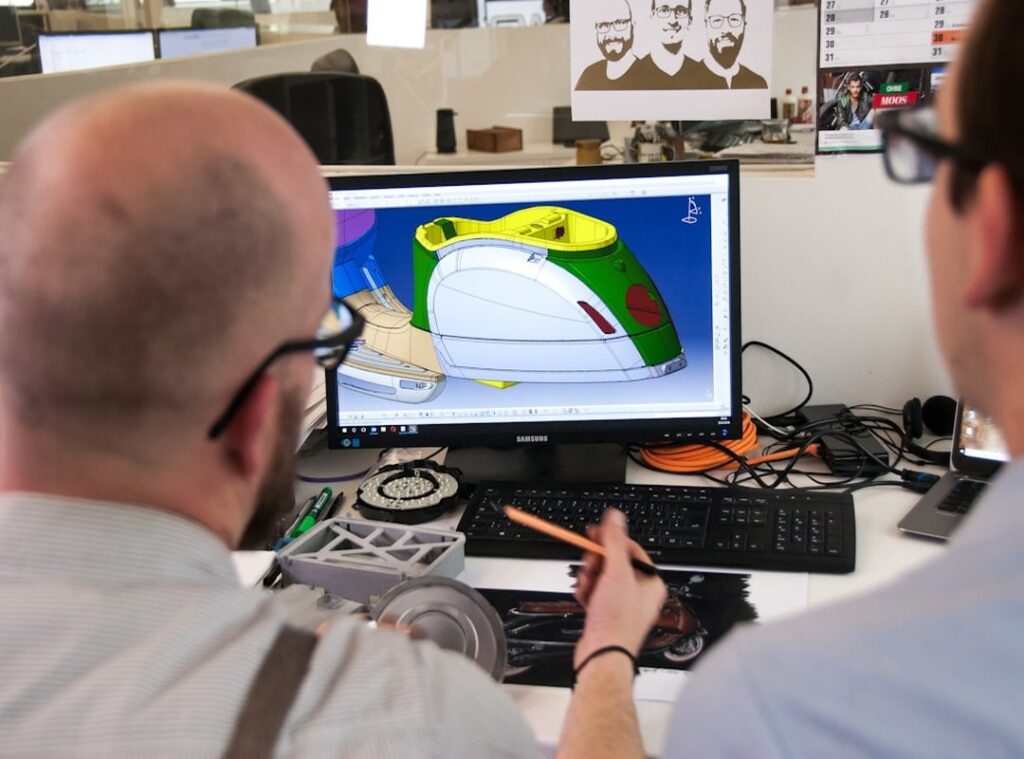
The transition to 3D modeling is where the magic becomes reality. With digital sculpting, precision becomes everything. It’s a designer’s chance to bring their vision into an engineering-ready model.
Check out this overview for a deeper dive into what a car design engineer really does.
Physical prototypes stage is all about getting hands-on. Clay models and rapid prototypes? They’re indispensable.
You see the car in full form, touch it, feel it. This stage truly tests proportions and tactile qualities.
Finally, collaboration with engineering is where art meets science. Ensuring design feasibility and regulatory compliance is key. Does it even matter if your design can’t be built?
The whole process demands we work together, seamlessly blending creativity with practicality.
Shaping Tomorrow’s Roads: Innovation and Trends
Let’s talk about electric vehicles. They’ve flipped car design on its head. Imagine new ways to package components, considering the absence of a bulky engine.

Aerodynamics now rule the game. For me, this isn’t just about efficiency. It’s about redefining what cars can be.
Autonomous driving doesn’t just drive itself. It changes the whole interior scene. Suddenly, it’s not just a car.
It’s a mobile living room. But here’s the catch: it’s a shift from driver-centered designs. And I wonder, are we ready to chill while the car does the work?
Sustainability in design isn’t just a buzzword. It’s a necessity. Using eco-friendly materials and processes speaks to our environmental responsibility.
People demand this, and rightly so. As a car design engineer, I find this push both challenging and exciting.
Now, on to user experience. Cars must be intuitive, almost like an extension of us. It’s about making that concept to showroom car development smooth (without being smooth) and personal.
The future? Customization, subscription models, and AI tools. This isn’t sci-fi.
It’s the bold future of car design. What will cars look like in a decade? I can’t wait to find out.
Designing Your Path: Specializations in Auto Design
So, you’re thinking about becoming a car design engineer. Good choice. But which specialization catches your eye?
You could dive into exterior design, crafting the sleek look of tomorrow’s cars. Or maybe interior design is your jam, creating spaces that feel like home on wheels.
Let’s not forget color and trim. It’s more than picking paint. It’s about setting moods.
UX/UI design is booming too, merging tech with driving. And if you’re a visionary, advanced concept design might be your playground.
Now, let’s talk career paths. You start as a junior designer. With grit, you move up to lead designer, maybe even design manager.
But the real game-changer? Becoming an executive design director. you shape the future of mobility.
Salaries? They fluctuate. Experience, location, and company size all play a part.
Expect more in the tech hubs, less in the middle of nowhere.
Global opportunities abound. The automotive industry is vast. Work in Tokyo, Paris, or Detroit.
The demand for skilled designers is on the rise. Innovation drives this industry forward. So, are you ready to design the future?
Your Path to Automotive Design Awaits
You’ve gained clarity on the role of an automotive design specialist. The confusion around this career path is gone.
This guide laid out a clear, actionable system for you. Now you know how to get through the world of automotive design with confidence.
I urge you to start building your skills today. Develop your portfolio and make connections in the industry.
Remember, every great car design engineer began with a single step.
Don’t wait for the right moment. Seize the opportunity to shape the future of mobility.
Your mark on the automotive space is waiting to be made.
Take action now. Dive into your passion and transform your dreams into reality.