Brakes are everything when it comes to vehicle safety. It’s nerve-wracking to think about brake maintenance, right? Many drivers feel anxious about keeping their brakes in top shape. this brake maintenance guide comes in.
I’m here to give you straightforward, easy-to-understand advice. You need to know how to maintain your braking system effectively.
I’ve spent years diving deep into auto maintenance, so I know what works. I want to help you with the knowledge that will improve your confidence on the road.
This guide covers the ins and outs of brake care. I’m not just talking about basic checks. I’ll provide practical and actionable steps that make sure your vehicle’s most key safety system functions well.
You’ll have peace of mind knowing you’ve got a handle on your brakes. Ready to take control of your vehicle’s safety?
Brake Systems: Hydraulic Magic
Ever wondered how pressing a pedal stops a speeding car? It’s all about hydraulics. When you press that brake pedal, you’re pushing against a piston in the master cylinder.
This pressurized brake fluid moves through brake lines, reaching the calipers.
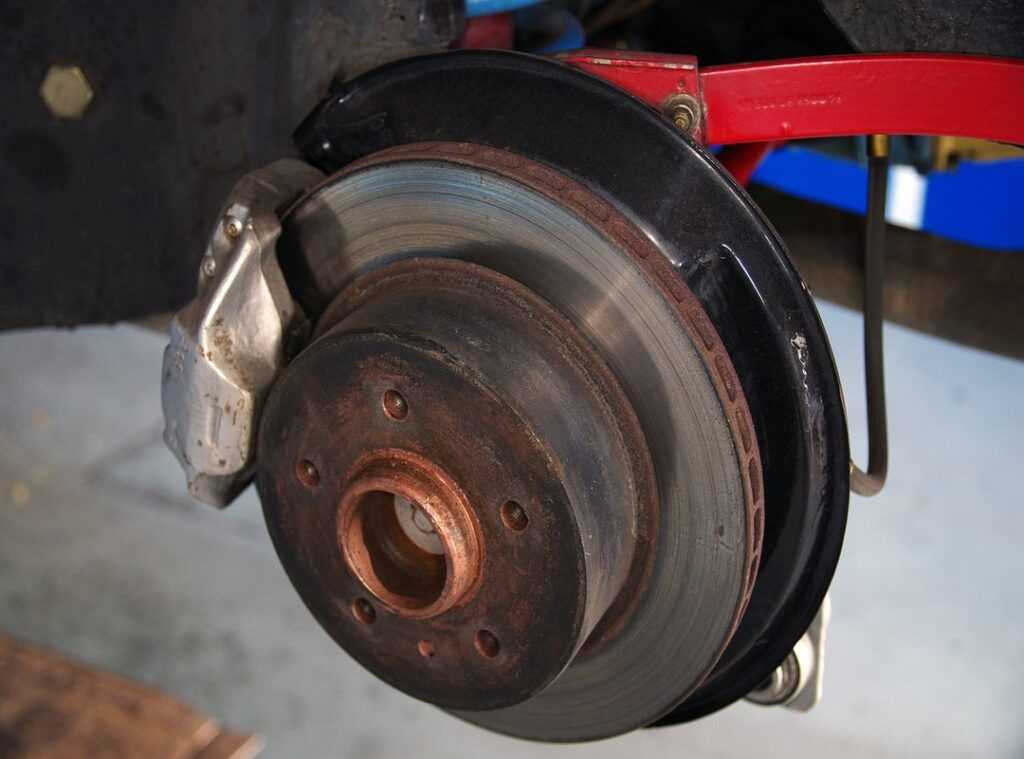
Calipers are like mechanical hands, squeezing the brake pads against rotors (discs) attached to your wheels. This friction slows the rotors, and thus your car. Simple, yet fascinating, right?
Now, let’s chat components. The brake pads can vary. Ceramic, metallic, or organic material (and) each type has its pros and cons.
But that’s another rabbit hole. Rotors take the heat (literally) and wear over time. Brake fluid?
It’s the unsung hero. Without it, nothing moves.
Knowing these basics matters. It’s your brake maintenance guide. Catch problems early, save money (and maybe your life).
Disc brakes are common (quick) cooling, great for all speeds. Drum brakes? Older, used in rear wheels sometimes, but effective.
Then there’s ABS (Anti-lock Braking System), preventing wheels from locking. It’s like the safety net for panic stops.
See? Understanding brakes isn’t just tech talk. It’s practical.
Are you thinking about inspecting your brakes yet? You should be.
Brake Trouble: Spot the Signs Before It’s Too Late
Ever heard that high-pitched squeal when you hit the brakes? That’s likely your new brake pads telling you they’re doing their job. But when things get ugly, and you’re hearing grinding, it means metal-on-metal contact.
Not good. Get it checked before it sends you to the repair shop with a hefty bill.
Feel that “spongy” pedal underfoot? It shouldn’t feel like stepping on a marshmallow. If the pedal’s too hard, requiring a Herculean effort, it’s a sign something’s off.
Vibration or pulsation through the pedal or steering wheel? That’s your vehicle waving a red flag. Or maybe it’s pulling to one side during braking (another) warning.
Let’s not forget visual indicators. Brake fluid leaks are a disaster waiting to happen. Excessive dust on your wheels, noticeable wear on brake pads, or rotor damage (grooves, cracks) mean it’s time for a checkup.
Oh, and those dashboard lights (ABS, brake warning) aren’t just for decoration. They’re telling you something’s wrong.
Ignoring these symptoms could turn a minor fix into a major crisis. Think of this as your brake maintenance guide. And while you’re at it, don’t forget to check out battery health tips longevity for more on keeping your ride in top shape.
Brake Maintenance: Steps for Longevity
Let’s talk brakes, a key part of your vehicle’s longevity. Checking brake pads should be your first move. You want to see some meat on those pads.
Thin pads? They need replacement, pronto, before you’re grinding metal. Rotors have a story to tell too: warped or grooved means they’re begging for resurfacing or replacement.
What about brake fluid? This isn’t optional. It’s the lifeblood of the braking system.
Check its level and condition regularly (cloudy? Time to flush). Most folks stick with a 1-2 year flush interval.
Use the fluid type your car manual recommends.
Brake pads come in flavors: ceramic, semi-metallic, and organic. Ceramics are quiet but pricey. Semi-metallics handle heat, but squeal like a banshee.
Organics are cheap and friendly to rotors, yet wear quickly. I say weigh the pros and pick what suits you best.
Remember, dirty caliper pins and wheel hubs? They’re rust magnets. Keep them clean and lubricated.
Don’t neglect tire rotation and pressure checks. They affect your entire braking system’s performance more than you think.
This brake maintenance guide is your ticket to a safer, longer-lasting ride. Save yourself from the nightmare of unexpected repairs. Your car (and wallet) will thank you.
Braking Smarts: Care and Habits for Peak Performance
Let’s talk brakes. If you’re slamming on them all the time, you’re doing it wrong. Aggressive braking eats into the lifespan of your brake system and hits your wallet hard.

Coasting when you know you’ll need to slow down or using engine braking can save you a lot of grief. Heard of engine braking? It’s simply using lower gears to slow down.
Swapping out standard pads for performance pads or choosing slotted rotors makes sense if you drive heavy or like some spirited runs. You don’t want to waste cash on fancy components if you’re just grocery-getting around town. Timing is everything here.
Now, brake bleeding might sound daunting, but it’s key. It removes air and moisture, keeping your brakes responsive and you safe. You should check out this in-depth look for more details.
Different vehicles need different care. Electric vehicles have regenerative braking, while heavy trucks need more strong systems. Weather matters too.
Driving through water puddles or in extreme temps? Adjust your habits or risk trouble. This is your brake maintenance guide: get smart, drive smarter.
DIY Brake Checks vs. Professional Service: When to Call the Pros
Brakes are serious business. You can do some brake maintenance yourself, sure. Things like visual inspections and checking fluid levels are fine for a DIYer.
But when it comes to complicated stuff like the hydraulic system or ABS issues, you should really leave it to the pros.
Why? Because the risks of messing up are real and, frankly, not worth it. You don’t want to find out your brakes failed when you’re speeding down the highway.
Trust me, professional expertise ensures your safety and keeps everything running smoothly.
Now, picking the right service center is key. Ask about their certifications and check reviews. Red flags?
If they dodge questions or rush you into repairs, walk away. And remember, professional service offers access to specialized tools and diagnostic equipment. Plus, you often get warranties on parts and labor.
Want more DIY tips? Check out these DIY Oil Change Tips. It’s all about knowing your limits.
When in doubt, let the experts handle it. Your brake maintenance guide should always include a healthy respect for what you can and can’t tackle on your own. Stay safe out there.
Your Path to Safer Driving Awaits
You now have a solid brake maintenance guide in hand. Brake maintenance can feel overwhelming. I get that.
Yet, understanding your braking system and spotting warning signs can save you money and keep you safe.
Don’t wait until it’s too late. Regular checks are important. Apply what you’ve learned today.
If you’re unsure, reach out to a professional. Prioritize your brake health. A well-maintained system is key to confident driving.
Take action now. Check your brakes. Your safety depends on it.
Why take chances when you can be proactive? Make the choice for safer driving today.
 Senior Motorcycle Lifestyle Editor
Lirithyn Dusklance is the creative force behind GSC Financeville’s motorcycle and lifestyle coverage. She brings a sharp editorial voice and a deep understanding of riding culture, touring trends, and biker communities. Her work focuses on Motorcycle Lifestyle Trends, helping readers discover gear innovations, rider experiences, and emerging movements within the motorcycle world. Lirithyn has a talent for blending storytelling with practical insights, making complex topics engaging and accessible. She is passionate about encouraging riders to embrace both freedom and responsibility on the road. Through her detailed features and lifestyle articles, she has become a respected contributor to the platform’s growing audience. Her dedication helps strengthen the connection between enthusiasts and the evolving motorcycle industry.