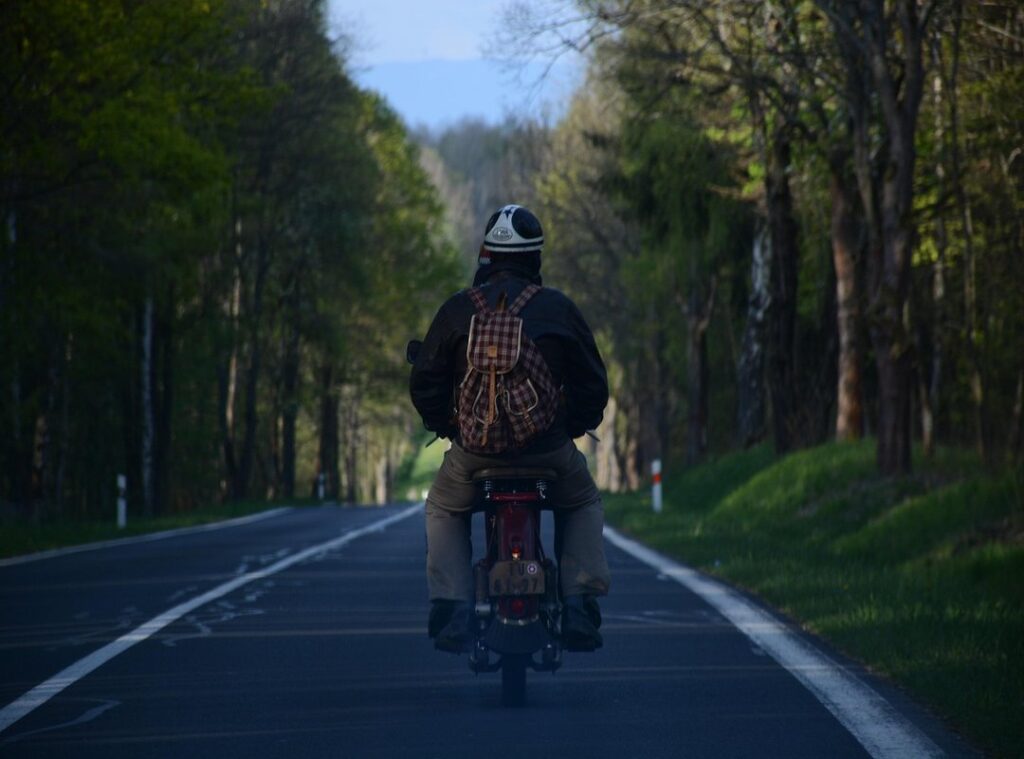
My motorbike felt sluggish.
Like it was holding back on purpose.
You know that feeling (throttle) response is lazy, idle shakes the handlebars, and your gas mileage? Worse than it should be.
Fact is, most bikes leave the factory tuned for emissions and reliability. Not for how you actually ride.
That’s why I spent years digging into Motorbike Tuning Fmbmototune, not just reading manuals but wrenching, testing, and fixing real problems on real streets.
Some people think tuning means flashing a map and calling it done. It’s not. A bad tune can make things worse.
A good one makes your bike feel alive again. Smoother, stronger, safer.
This guide doesn’t drown you in jargon. I cut out the theory you won’t use. No fluff.
Just what works. What doesn’t. And how to tell the difference.
You’ll learn how to spot signs your bike needs tuning. What tools matter (and which ones don’t). And how to decide whether to DIY or find someone who knows their stuff.
By the end, you’ll understand what tuning really does (and) whether it’s worth your time and money.
That’s the promise.
What Motorbike Tuning Really Is
Motorbike tuning is changing how your bike’s brain talks to its engine. I tweak the ECU (that) little computer under your seat (so) fuel, spark, and air match your setup. Not some magic box.
Just code.
Factory settings? They’re built for lawyers, not riders. They juggle cheap gas, global emissions rules, and worst-case weather.
Your bike runs fine. But it’s wearing a baggy suit.
Think of tuning like tailoring. Off-the-rack fits most people okay. A custom suit?
It moves with you. (And looks way better.)
You get more power. Faster throttle response. Smoother pull from low rpm.
Sometimes better fuel use. Often cooler temps. All because the engine isn’t guessing anymore.
I’ve seen bikes gain 12 hp just by fixing mismatched exhaust and intake maps. No new parts. Just smarter instructions.
That’s why I use Fmbmototune (it’s) built for real tuners, not demo videos. Motorbike Tuning Fmbmototune isn’t about flashing blind files. It’s about knowing what each number does.
Why settle for “good enough” when your bike already has the muscle?
You just need to tell it how to use it.
Tuning Methods: What Actually Works
I start with the basics. You change your air filter. You swap the exhaust.
Then you wonder why the bike runs weird.
That’s when you need Motorbike Tuning Fmbmototune.
Piggyback modules (like) Power Commanders. Are plug-in boxes. They sit between your sensors and ECU.
They lie to the computer. (Not well, sometimes.)
They’re cheap. They’re fast. They’re also limited.
You can’t fix fueling at 7,200 RPM if the box only reads three load points.
ECU flashing is different. You rewrite the bike’s factory software. No lies.
No middleman. You change ignition timing, fuel maps, rev limits (all) of it.
It’s more work. It needs a laptop and proper software. But it’s the only way to fully control what the engine does.
Then there’s the dyno. A dynamometer measures real horsepower and torque. Not guesses.
Not estimates.
You see the numbers climb (or) drop (when) you tweak settings. You find the flat spots. You avoid detonation.
I’ve seen bikes lose power after a “tune” because nobody checked the dyno.
Mechanical upgrades demand tuning. A full exhaust without a map change? You’ll run lean.
Overheat the exhaust valves. Kill the motor.
Same with high-flow air filters. They move more air (but) the ECU doesn’t know. It still thinks you’re breathing through a coffee filter.
| Method | Best For | Limitation |
|---|---|---|
| Piggyback module | Quick fixes, stock setups | No control over ignition or VVT |
| ECU flash | Mods, performance goals | Needs expert calibration |
You skip the dyno. You’re guessing. And guessing burns pistons.
Why I Let a Pro Tune My Bike
I wrecked my first bike because I tried tuning it myself.
Bad idea.
A pro tuner knows what your engine actually needs. Not what some forum says it wants.
They hook up a dyno and read real numbers. Not guesses. Not vibes.
Numbers.
My tuner spotted a lean spot at 7,200 RPM that I’d never feel (but) would’ve toasted my piston in six months.
He adjusted the fuel map for my throttle hand, not some generic setting.
You ride hard on twisties? He leans it out just enough. You haul gear cross-state?
He adds torque down low.
That’s not magic. It’s data + experience + time spent listening to engines scream.
Guesswork cracks heads. Tuning prevents it.
I don’t trust my gut with ignition timing. I trust someone who’s seen 300+ Hondas cough, stall, and sing.
Worth every dollar.
And yeah. I paid for Motorbike Tuning Fmbmototune instead of burning another set of valves.
Your bike isn’t stock anymore.
Neither should your tune be.
A good tune makes the bike feel like it finally knows you.
No lag. No hesitation. Just response.
You want that feeling (or) do you want to explain to your mechanic why your exhaust smells like burnt oil again?
What Actually Happens During a Tune

I show up with my bike. You ask what I want it to do better. Faster top end?
Smoother low-end throttle? Less stutter at 4,000 rpm? (Yeah, that one’s annoying.)
We walk around the bike together. I check the air filter. Pull the spark plugs.
Look at the throttle bodies. Scan for obvious leaks or cracked hoses. If you’ve added an exhaust or intake, we talk about it (no) judgment, just facts.
Then it goes on the dyno. Strapped down tight. Warmed up properly.
First run is baseline (no) changes. Just raw data. Then I tweak fuel maps, adjust timing, maybe fiddle with idle settings.
All while watching real-time numbers scroll.
You watch too. It’s not magic. It’s math and feel.
After three or four runs, we compare. Power curve shifts. Torque fills in where it was thin.
Throttle response sharpens. I print the before/after graphs. You ask if it’ll pass emissions.
I tell you straight (depends) on your state and mods.
This is Motorbike Tuning Fmbmototune. Not guesswork. Not rituals.
You ride away. It feels different. You know why.
Should You Tune Your Motorbike?
I tune bikes because factory settings are compromises. Not bad. Just safe, quiet, and built for everyone.
You want more power? Better fuel economy? Smoother throttle response?
Or you dropped in an aftermarket exhaust or air filter? Then tuning makes sense.
But here’s what riders worry about: will it hurt my engine? A proper tune by someone who knows what they’re doing won’t. Bad tunes will.
Are you chasing lap times or cross-country comfort? A track rider needs aggressive timing and fuel maps. A touring rider wants clean low-end and steady cruise efficiency.
Even stock bikes run better after a professional tune. Factories dial back ignition timing to handle cheap gas and high heat.
Motorbike Tuning Fmbmototune isn’t magic (it’s) calibration. You’re not breaking rules. You’re fixing them.
Want real-world results? Check out the Motorcycle tune up fmbmototune page.
Feel Your Bike Come Alive
I’ve tuned bikes that coughed. I’ve fixed ones that hesitated. You know that flat spot in the throttle?
That’s not normal. That’s your bike begging for help.
Motorbike Tuning Fmbmototune fixes it. Not with guesses. Not with presets.
With real data and real experience.
You want more power? Sure. But you really want smooth throttle response.
You want fuel that lasts longer. You want to stop worrying about stalling at lights.
That rough idle? It’s fixable. That sluggish midrange?
Gone.
This isn’t just about speed. It’s about trust. Between you and your machine.
You already know your bike can do better.
So why wait?
Call a tuner who’s done this a hundred times. Not one who sells software. One who rides.
Ready to feel the difference? Reach out to a trusted motorbike tuning specialist today to discuss your bike’s potential!
 Senior Motorcycle Lifestyle Editor
Lirithyn Dusklance is the creative force behind GSC Financeville’s motorcycle and lifestyle coverage. She brings a sharp editorial voice and a deep understanding of riding culture, touring trends, and biker communities. Her work focuses on Motorcycle Lifestyle Trends, helping readers discover gear innovations, rider experiences, and emerging movements within the motorcycle world. Lirithyn has a talent for blending storytelling with practical insights, making complex topics engaging and accessible. She is passionate about encouraging riders to embrace both freedom and responsibility on the road. Through her detailed features and lifestyle articles, she has become a respected contributor to the platform’s growing audience. Her dedication helps strengthen the connection between enthusiasts and the evolving motorcycle industry.
Senior Motorcycle Lifestyle Editor
Lirithyn Dusklance is the creative force behind GSC Financeville’s motorcycle and lifestyle coverage. She brings a sharp editorial voice and a deep understanding of riding culture, touring trends, and biker communities. Her work focuses on Motorcycle Lifestyle Trends, helping readers discover gear innovations, rider experiences, and emerging movements within the motorcycle world. Lirithyn has a talent for blending storytelling with practical insights, making complex topics engaging and accessible. She is passionate about encouraging riders to embrace both freedom and responsibility on the road. Through her detailed features and lifestyle articles, she has become a respected contributor to the platform’s growing audience. Her dedication helps strengthen the connection between enthusiasts and the evolving motorcycle industry.