Restoring a classic car can feel like a dream and a nightmare all at once. You picture that gleaming beauty, but reality hits hard with the complexity and potential pitfalls. I know it can be overwhelming, but I’m here to break it down for you.
This article serves as your definitive guide to classic car restoration. I have spent years diving into automotive mechanics and studying historical vehicles. You deserve trusted takeaways that actually help you get through this detailed journey.
I promise to demystify the entire process, from initial assessment to that final, satisfying polish. You’ll learn what to look for, how to tackle common issues, and what to avoid.
I won’t sugarcoat it. Restoration takes dedication. But with my expert knowledge, you’ll feel empowered to tackle any challenge.
Get ready to turn your classic car dreams into reality.
Vintage Car Makeovers: More Than Just a Tune-Up
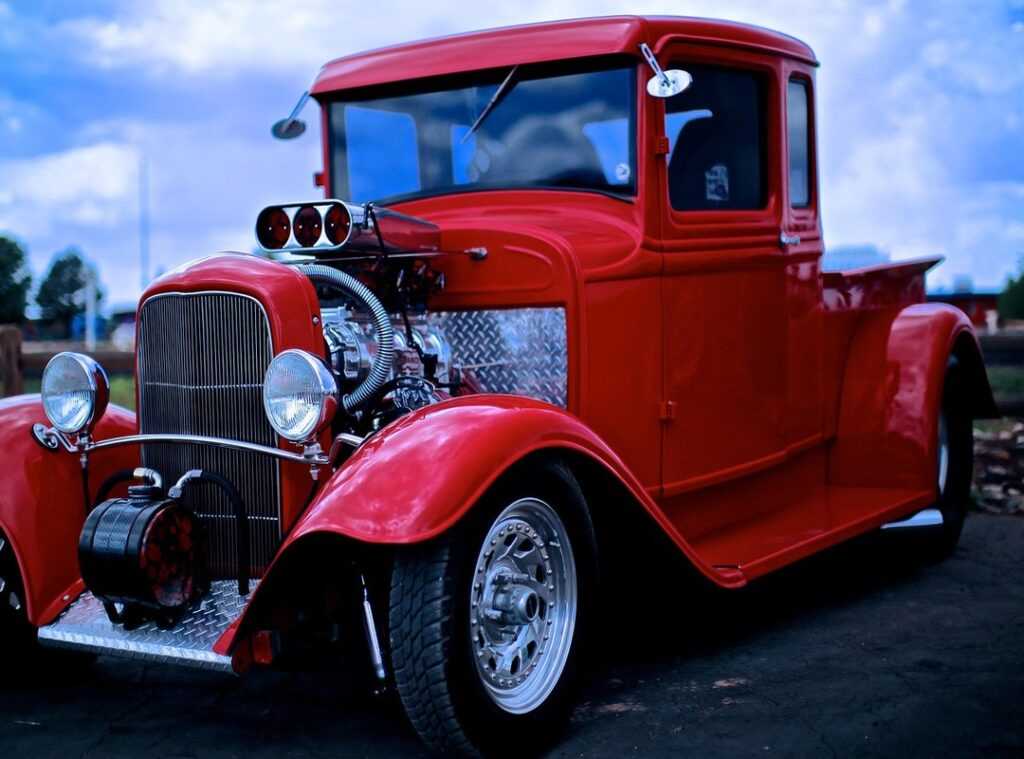
When I say “vintage automobile refurbishment,” I don’t mean just slapping on a fresh coat of paint. It’s about bringing a classic car back to life, preserving its soul while making it roadworthy. Think of it as a respectful nod to history, not a factory-fresh clone.
Vintage cars aren’t just about age; they’re about the stories they tell and the eras they represent. We’re talking cars that have seen decades, not just years.
Why dive into such a project? Passion, for starters. There’s a thrill in feeling the rumble of a classic engine beneath you.
Some do it for investment, eyeing that future auction. Others just want to cruise with style and history under the hood. Refurbishment usually involves a mechanical overhaul, some bodywork, a bit of interior magic, and a paint job that respects its past.
It’s not about perfection but character. You might not see these cars at Behind Scenes Auto Shows Unveiled, but you’ll definitely feel them on the road. So next time you see a vintage beauty cruising by, remember: it’s more than just a car.
It’s a piece of history rolling on four wheels.
Classic Car Restoration: The Core Stages
The journey of classic car restoration begins with the Initial Assessment and Planning. You can’t just dive in. Assess the car’s condition, set clear goals (is it a driver or a show car?), and nail down that budget.
Let’s face it, nobody wants surprises halfway through.
Next comes the Disassembly and Documentation phase. This is where things get real. Every nut and bolt counts, so label them meticulously.
Catalog everything with photos. You’ll thank yourself later when it’s time to reassemble.
Then, the Bodywork and Paint process. Rust is your enemy here. You need to eradicate it, repair or replace panels, and prep surfaces.
Get the paint right (period-appropriate) finishes matter for authenticity.
Now, about the Mechanical Systems Overhaul. Dive into the engine, transmission, suspension, and brakes. Inspect, repair, or upgrade strategically.
Reliability should be your mantra here. It’s not just about looks.
The interior matters too. Interior Restoration involves sourcing the right materials for upholstery and trim. Period accuracy is key. It’s the little details that breathe life back into a classic.
Safety and performance aren’t optional.
Finally, the moment of truth: Reassembly and Testing. This stage is about patience and precision. Assemble systematically and test thoroughly.
Need more guidance? Check out the paddock classic car restorations for expertise. Remember, restoring a classic isn’t just a project (it’s) a passion.
Classic Car Restoration: Before You Begin
Let’s talk about realistic budgeting. It’s not just about the parts and labor. You need a contingency fund (20-30% extra).
Why? Because unexpected issues pop up. They always do.
Sometimes those reversible upgrades make your ride safer and more fun to drive. But don’t strip it of its soul.
Now, authenticity vs. modernization. Do you stick with period-correct parts, or upgrade for safety? It’s a balancing act.
Legal stuff next. Ever tried registering an old classic? It’s a maze of title verifications and historical regulations.
Know the rules. Trust me, it saves headaches later.
Do you have the space, tools, and skills? A cramped garage and a few wrenches won’t cut it. Specialized tools are a must.
And sometimes, you need a pro’s touch. No shame in that.
Finally, time. Restorations aren’t weekend projects. We’re talking months, even years.
Set realistic expectations. Don’t rush it.
Classic car restoration is an adventure. It’s a journey (and yes, I hate that word too). But get these steps right, and you’ll love the ride.
Got questions? Dive in. There’s no better way to learn than by doing.
Sourcing Authentic Parts and Expert Craftsmanship: A Classic Car
When it comes to classic car restoration, finding the right parts is like searching for buried treasure. Online forums are a goldmine. Enthusiasts gather there to swap tips and parts like it’s the stock exchange for car nuts.
But how do you know if a part is genuine? New Old Stock (NOS) is the holy grail, yet quality reproductions often do the trick. It’s simple: check the part numbers, scrutinize the finish, and don’t fall for cheap knock-offs.
Ever been to a swap meet? It’s like a flea market for car buffs (without the moth-eaten coats). You might just stumble upon that hard to find part you’ve been hunting.
Now, weighing DIY against professional help? That’s the million-dollar question. Sure, you can handle some basics with a wrench and a prayer, but don’t skimp on pro expertise when safety’s on the line.
Networking with other car enthusiasts is more than just swapping stories. It’s about building a support system (the Avengers of the car world, if you will) to guide you on this restoration journey.
Balancing Originality with Driveability: The Restoration Dilemma
Balancing originality with enhanced driveability is a tightrope walk in classic car restoration. You want that “wow” factor without losing the soul of the vehicle. A museum-quality restoration might impress purists, but I argue it’s the strategic upgrades that make a car truly enjoyable.
Think about it: would you rather have a piece that sits in a garage or a classic you can actually drive?
Authenticity doesn’t mean sticking to outdated brakes or cooling systems. Upgrading to modern components, like electronic ignition or updated brakes, can transform your driving experience while maintaining the car’s vintage charm. The trick is making these upgrades reversible. It keeps options open for future owners (or if you change your mind).
Documenting every modification is key. Clear records of enhancements or non-original parts can impact resale value. Plus, it keeps everything transparent for whoever drives it next.
For more on living the car enthusiast life, check out this day life race car engineer insight.
Long-term care is another beast. Regular inspections and specialized servicing are non-negotiable. I’m talking about ensuring your classic doesn’t just age but ages well.
Whether you drive it daily or take it to shows, your goals should guide your decisions.
Your Vintage Car Awaits
You wanted to tackle classic car restoration with confidence. I made sure you have the tools and knowledge to do it right. The overwhelming nature of this project can be daunting, but you can get through it with the right approach.
Now it’s time to take action.
Start planning your project today. Connect with trusted experts who can guide you through the process. Don’t let uncertainty hold you back.
Your dream car is within reach.
Let’s get started. Dive into your vintage journey and make that classic dream a reality. Your adventure begins now.