The world of autonomous driving is changing fast. Every day, I see new breakthroughs that reshape how we think about cars and transportation.
You’re probably wondering what this means for you. How will automated driving future affect your daily commute or long road trips? I get those questions a lot, and in this article, I’ll dig into the current state of autonomous driving and what lies ahead.
I’ve spent years following automotive trends and innovations. This is not just speculation; it’s based on real advancements. From enhanced safety features to fully autonomous vehicles, we’re on the brink of a revolution.
Think about it. This technology can drastically reduce accidents and make travel more fast. But what does that mean for our existing infrastructure and our driving habits?
I want to provide you with takeaways that matter. My goal is to break down these complex changes and explain how they will impact you personally.
By the end of this article, you’ll have a clearer picture of where autonomous driving is headed and how it could transform your life on the road. Get ready to get through this exciting space with me.
Driving into the Future: Autonomous Evolution
I remember when autonomous vehicles were just a concept. Science fiction, really. But look at us now.
They’re real, buzzing around like it’s no big deal. The journey of self-driving cars has been one wild ride. Early attempts were clunky, over-promising and under-delivering.
People laughed at the thought of cars without drivers. I did too, until things changed.
Technological breakthroughs have been the game-changer. GPS, sensors, and cameras are now the backbone of these vehicles. Without these, we might still be stuck in the past. AI and machine learning have taken this tech to the next level. They let cars to learn from the road and adapt. It’s like teaching your car to drive better than you.
Current autonomous vehicles like Waymo and Tesla are redefining the automated driving future. They’re not perfect yet, but they’re more reliable than I’d expected. Sure, there are mistakes and lessons learned.
Tesla’s infamous Autopilot crashes taught everyone valuable lessons about over-reliance on tech.
But this is progress. Are we ready for cars to think for us? Maybe not entirely.
Yet, seeing them on the road makes me excited (and a bit nervous) for what’s next.
Automated Driving: Roadblocks and Realities
Let’s cut to the chase: autonomous driving isn’t the smooth journey we all expected. Sure, the automated driving future seems promising, but we’re not there yet. Sensor technology is a nightmare.
It’s like trying to teach a robot to see in a blizzard. The data processing? Even worse.
We’re drowning in data and struggling to make sense of it all.
Then there’s the legal mess. Regulators are scrambling, unsure how to handle cars without drivers. It’s not just about slapping a license plate on a robot.
There are liability issues. Who’s at fault when a driverless car crashes? The manufacturer, the software developer, or nobody at all?
Public perception is another beast. People don’t trust what they don’t understand. It’s like handing your car keys to a stranger.
The fear of the unknown is real. But hey, industry leaders aren’t sitting idly by. They’re tackling these issues head-on.
Companies are experimenting with Nanotechnology Transforming Car Materials for better durability.
Pro tip: Keep an eye on these developments. They’ll shape how we drive. Or don’t drive (in) the future.
So, while the road to autonomous driving is bumpy, there’s hope on the horizon. Let’s see where it takes us.
Automated Driving Future: A Path to Safer Roads?
Automated driving isn’t just a buzzword; it’s a game-changing shift in how we think about road safety. Imagine fewer traffic accidents. Autonomous vehicles promise just that by eliminating human error, which causes most crashes.
You know, when people text or doze off at the wheel.
But that’s not all. There’s an environmental angle too. These vehicles can a lot cut emissions and improve fuel efficiency.
You ever notice how much gas is wasted during stop-and-go traffic? Autonomous cars can improve driving patterns, reducing this waste. It’s a win-win for the planet and our wallets.
Then there’s mobility. For the elderly or disabled, automated vehicles could mean freedom. Think about how much easier life gets when you don’t have to rely on others for a ride.
Suddenly, everyone has better access to opportunities and services.
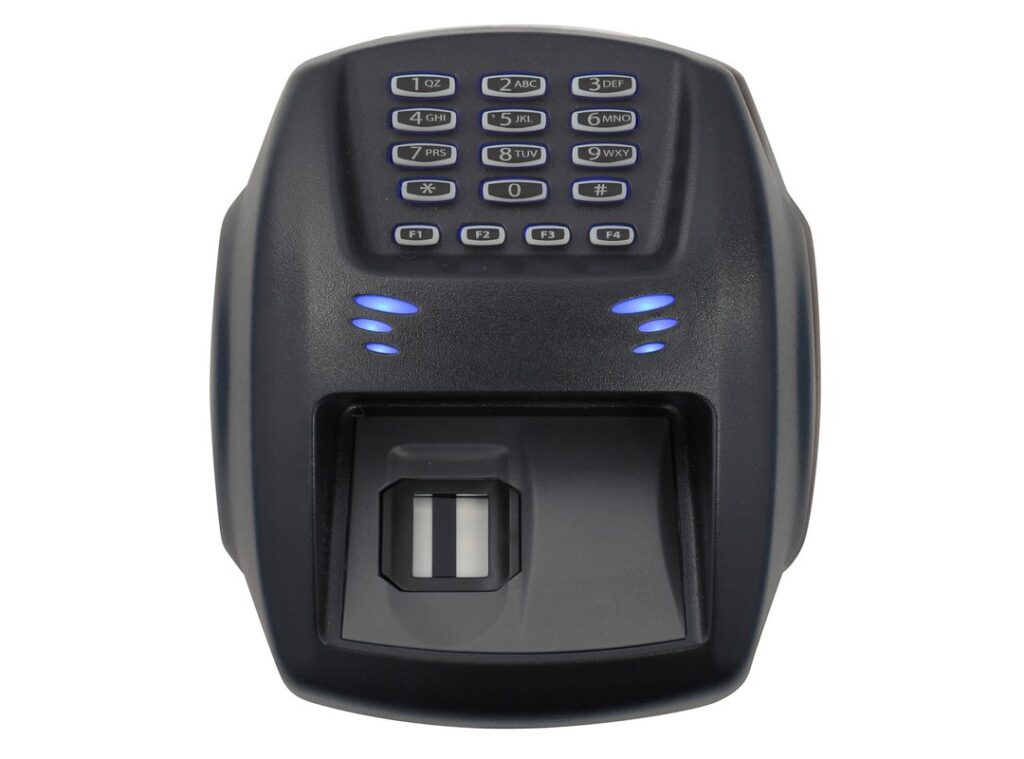
Studies back this up. Recent data shows a potential drop in emissions by up to 60% if fully automated vehicles take over. If you’re curious about other automotive breakthroughs, check out the biometric access keyless revolution.
There’s plenty more where this came from.
So, are we ready for automated driving? It’s not just a future idea. It’s happening now.
Are you on board?
The Autonomous Leap: What’s Next?
Automated driving future seems to be on everyone’s radar now, but are we really close? I think we’re on the cusp of some big changes. Soon enough, we’ll see these vehicles weaving into the fabric of smart cities.

Think of traffic lights and road signs communicating directly with cars. It’s a wild concept, but one that makes total sense. Doesn’t it feel like something out of a sci-fi movie?
Here’s where it gets interesting. Business models will shift. Farewell to the age where you must own a car.
What if cars drove themselves to pick you up? The economic ripple effect could be massive, impacting everything from car manufacturing to urban planning.
And who’s leading this charge? Companies like Tesla, Waymo, and Uber have poured billions into perfecting this tech. These innovators are the real game-changers.
But there’s still skepticism. People ask me all the time: is autonomous driving ever going to happen? The answer isn’t as far off as we might think.
To truly embrace this future, we must be ready for the unexpected. And if history teaches anything, it’s that those who adapt are the ones who thrive. Stay informed. This ride is just getting started.
Gearing Up for Tomorrow: Mastering Autonomous Vehicles
Are you ready for the automated driving future? It’s barreling towards us faster than a Tesla in Ludicrous Mode. As consumers, we must keep up or get left behind.
First off, stay informed. Who wants to be the last to know about the latest safety regulations or tech advances? I sure don’t.
Sign up for newsletters, attend webinars, and engage with communities where the buzz is electric (pun intended).
Businesses need to pivot too. Adaptation is key. Integrating autonomous tech into your plan can mean the difference between thriving or just surviving.
Think about how these vehicles can boost your logistics or customer experience. And don’t just wait for the big players to set the pace. Be proactive.
Small steps today can lead to major strides tomorrow.
Engagement matters. Dive into forums, join discussions, and maybe even challenge some industry norms. Why not?
Innovation often starts with a question.
In short, the future of driving is autonomous. It’s as thrilling as a good sci-fi movie but demands real-world prep. Get excited, get informed, and get involved.
That’s how we make this future ours. Together.
The Road Ahead in Autonomous Driving
I see the automated driving future as more than just a trend. It’s a shift that could redefine the way we think about transportation. But it’s not without challenges.
There are concerns about safety, infrastructure, and regulatory hurdles.
You have to stay informed to get through this space. Ignoring these changes could leave you behind. Knowledge is power, and understanding the details can make a difference in how we adapt.
Engaging with the community and exploring resources is important. You’ll find takeaways that can prepare you for what’s next.
Don’t wait for the revolution to pass you by. Dive into discussions, read up on new technologies, and connect with others who share your interest.
Your future depends on it. If you’re serious about embracing this change, start now. Explore local resources, ask questions, and stay ahead of the curve.
Don’t let fear hold you back; the future is bright.
 Senior Motorcycle Lifestyle Editor
Lirithyn Dusklance is the creative force behind GSC Financeville’s motorcycle and lifestyle coverage. She brings a sharp editorial voice and a deep understanding of riding culture, touring trends, and biker communities. Her work focuses on Motorcycle Lifestyle Trends, helping readers discover gear innovations, rider experiences, and emerging movements within the motorcycle world. Lirithyn has a talent for blending storytelling with practical insights, making complex topics engaging and accessible. She is passionate about encouraging riders to embrace both freedom and responsibility on the road. Through her detailed features and lifestyle articles, she has become a respected contributor to the platform’s growing audience. Her dedication helps strengthen the connection between enthusiasts and the evolving motorcycle industry.
Senior Motorcycle Lifestyle Editor
Lirithyn Dusklance is the creative force behind GSC Financeville’s motorcycle and lifestyle coverage. She brings a sharp editorial voice and a deep understanding of riding culture, touring trends, and biker communities. Her work focuses on Motorcycle Lifestyle Trends, helping readers discover gear innovations, rider experiences, and emerging movements within the motorcycle world. Lirithyn has a talent for blending storytelling with practical insights, making complex topics engaging and accessible. She is passionate about encouraging riders to embrace both freedom and responsibility on the road. Through her detailed features and lifestyle articles, she has become a respected contributor to the platform’s growing audience. Her dedication helps strengthen the connection between enthusiasts and the evolving motorcycle industry.